Fortsett å se
 Gå til handlekurv

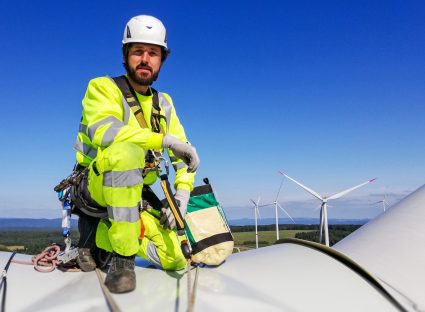
Harness the wind; embark on an onshore wind turbine career.
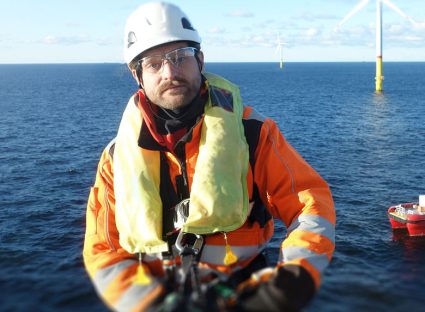
Navigate the seas; dive into an offshore wind turbine career

 View all Courses
/tema/working-with-wind-turbines/
Gå til handlekurv 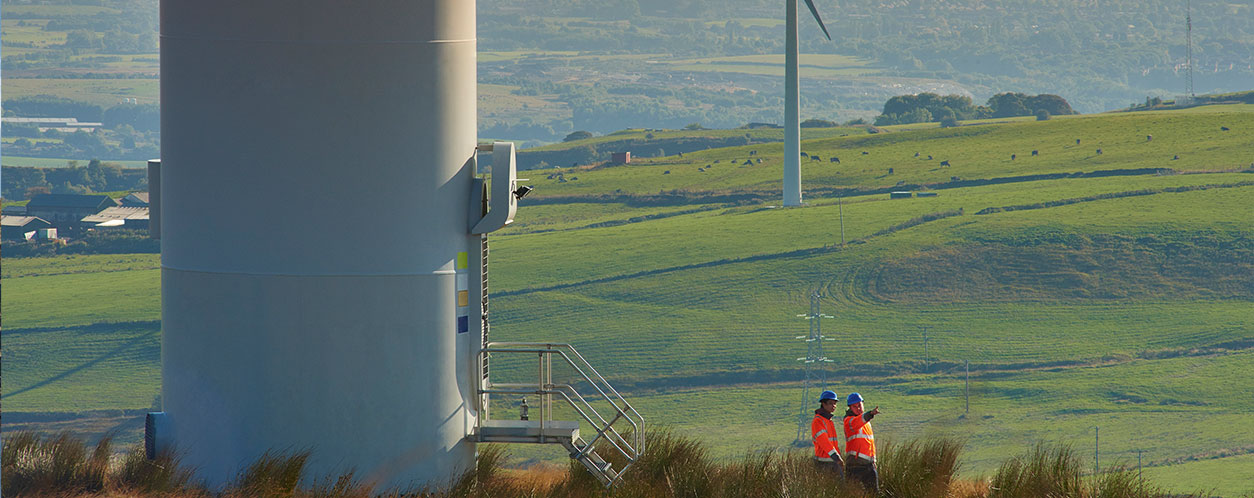
You would need GWO basic safety training
As the global demand for sustainable energy sources continues to rise, wind energy stands out as a leading alternative to traditional fossil fuels. At the heart of this burgeoning sector are wind technicians, the skilled professionals responsible for ensuring the efficient and safe operations of wind turbines.
Roles and Responsibilities:
Installation and Commissioning: Wind technicians are involved in the setting up of new wind turbines. They work closely with engineers and other specialists to ensure that all parts are correctly assembled and that the turbines are fully operational.
Maintenance and Repairs: Given the mechanical and electrical complexities of a wind turbine, regular checks and maintenance are essential. Wind technicians perform both routine inspections and on-the-spot diagnostics to identify and rectify any malfunctions.
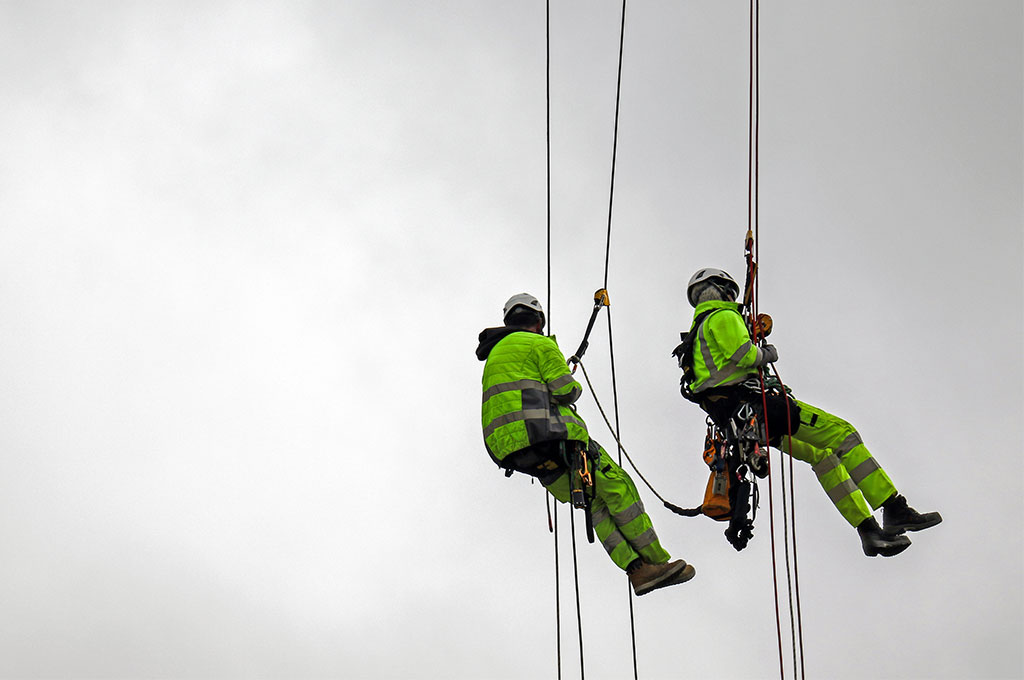
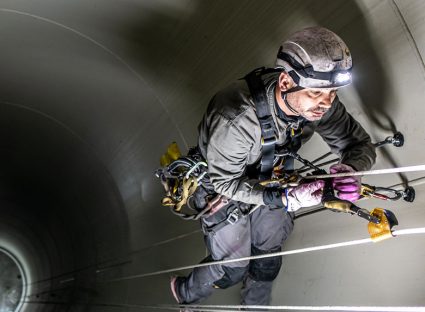
Safety Compliance: Given the inherent risks, especially when working at great heights or in inclement weather, wind technicians must adhere to strict safety protocols. This includes the use of safety gear, understanding evacuation procedures, and ensuring that all operations are conducted within regulatory standards.
Data Collection and Reporting: Technicians often gather data from turbines to monitor their performance. This data is critical for preventive maintenance and can provide insights into potential technical advancements or improvements.
Qualifications and Skills:
Technical Knowledge: A solid understanding of mechanical and electrical systems is paramount. Many technicians hold degrees or diplomas in fields like renewable energy or engineering.
Physical Fitness: The job often requires climbing tall turbines, lifting heavy equipment, and working in challenging weather conditions.
Problem-Solving Abilities: As with any technical role, the ability to diagnose and troubleshoot issues swiftly and effectively is invaluable.
Safety Training: Formal training in safety protocols, especially for working at heights and handling electrical systems, is essential.
Teamwork: Wind technicians often work in teams, and collaboration is vital for efficient and safe operations.
Future Outlook:
With the global shift towards sustainable energy solutions, the demand for wind technicians is expected to grow. Their role is not just about maintaining the turbines but also about championing the larger cause of environmental stewardship. As technology evolves and wind farms become more prevalent, the wind technician’s role will undoubtedly become even more integral to our global energy infrastructure.