- Career

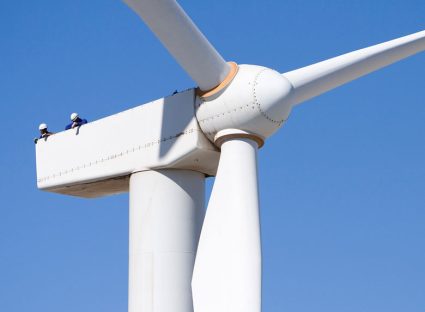
Onshore wind turbine careers
Harness the wind; embark on an onshore wind turbine career.
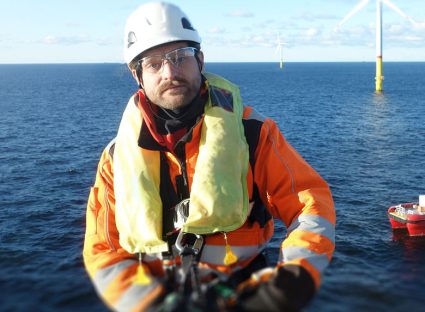
Offshore wind turbine careers
Navigate the seas; dive into an offshore wind turbine career
- Courses

GWO complete courses

Standalone

GWO Technical

GWO First Aid

GWO Fire

GWO Sea survival
View all Courses
- Questions
Working with wind
/tema/working-with-wind-turbines/
Specializing in wind
Questions
You have added the following to the shopping cart:
Earning potential as a wind technician
Forsiden > Working with wind turbines > Earning potential as a wind technicianAs of my last update in September 2021, the earning potential of a wind technician in the UK varies based on several factors, including experience, specific qualifications, location, whether the work is onshore or offshore, and the size and reputation of the employing company. Here’s a general breakdown:
- Starting Salaries (Entry-Level):
- Typically range from £20,000 to £25,000 per annum for onshore roles.
- Offshore roles, given the added challenges and risks, often have slightly higher starting salaries, ranging from £25,000 to £30,000.
- Experienced Technicians:
- Onshore wind technicians with several years of experience can earn between £25,000 and £35,000.
- Offshore technicians with comparable experience might earn between £30,000 and £40,000.
- Senior/Lead Technicians or Specialists:
- Senior roles or positions that require specialised skills can command salaries from £35,000 to over £50,000. Offshore roles, again, typically offer higher compensation due to the increased demands and risks associated with the job.
- Additional Benefits:
- Many companies provide additional benefits, especially for offshore roles, such as hazard pay, bonuses, accommodation allowances, or health insurance. There’s also the potential for overtime pay, which can significantly boost annual earnings.
- Geographical Variation:
- Salaries can vary by region, with areas that have a higher concentration of wind farms (like parts of Scotland or the North Sea for offshore turbines) potentially offering different wage scales than other parts of the UK.
- Certifications and Continued Training:
- Technicians who invest in additional training, especially internationally recognised certifications like those from the Global Wind Organisation (GWO), may have a competitive edge in salary negotiations.